
Land, life, and leadership
Our Biocultural Diversity Programme is grounded in a fundamental truth: Earth’s biodiversity cannot be sustained without the leadership of Indigenous Peoples and local communities.
We believe that conservation initiatives often fail because they do not recognise the need for the full and fair participation of the people, communities, and organisations who know their lands and waters best.
Conserving and restoring nature is a cultural practice, most effective when embedded in and led by communities who bring generations of knowledge and invaluable local expertise.

“When we say ‘biocultural diversity’, we’re talking about how biological diversity and human culture are intertwined. It’s the recognition that nature and people depend on each other and have evolved together through history.”
Carla Bengoa Rojas, Biocultural Diversity Programme Manager
“Everything that breathes, that is alive, the land, or elements is part of nature and a part of us.”
Kerexu Yxapyry, Guarani leader
Our Programme
Indigenous Peoples and local communities are the first line of defence for biodiversity, yet they lack support.
Communities face multiple threats and challenges in their struggle to protect their lands and waters. However, funding and support for conservation is often imposed upon communities by geographically remote organisations and funders, with local cultural knowledge and context ignored or undervalued.

The Acampamento Terra Livre is the largest annual mobilisation of Indigenous Peoples in Brazil, focused on guaranteeing their constitutional rights. Image © Grace Souza
Mission
To support Indigenous Peoples and local communities to safeguard their territories, sustain their ways of life and knowledge systems, and shape conservation governance at all levels.
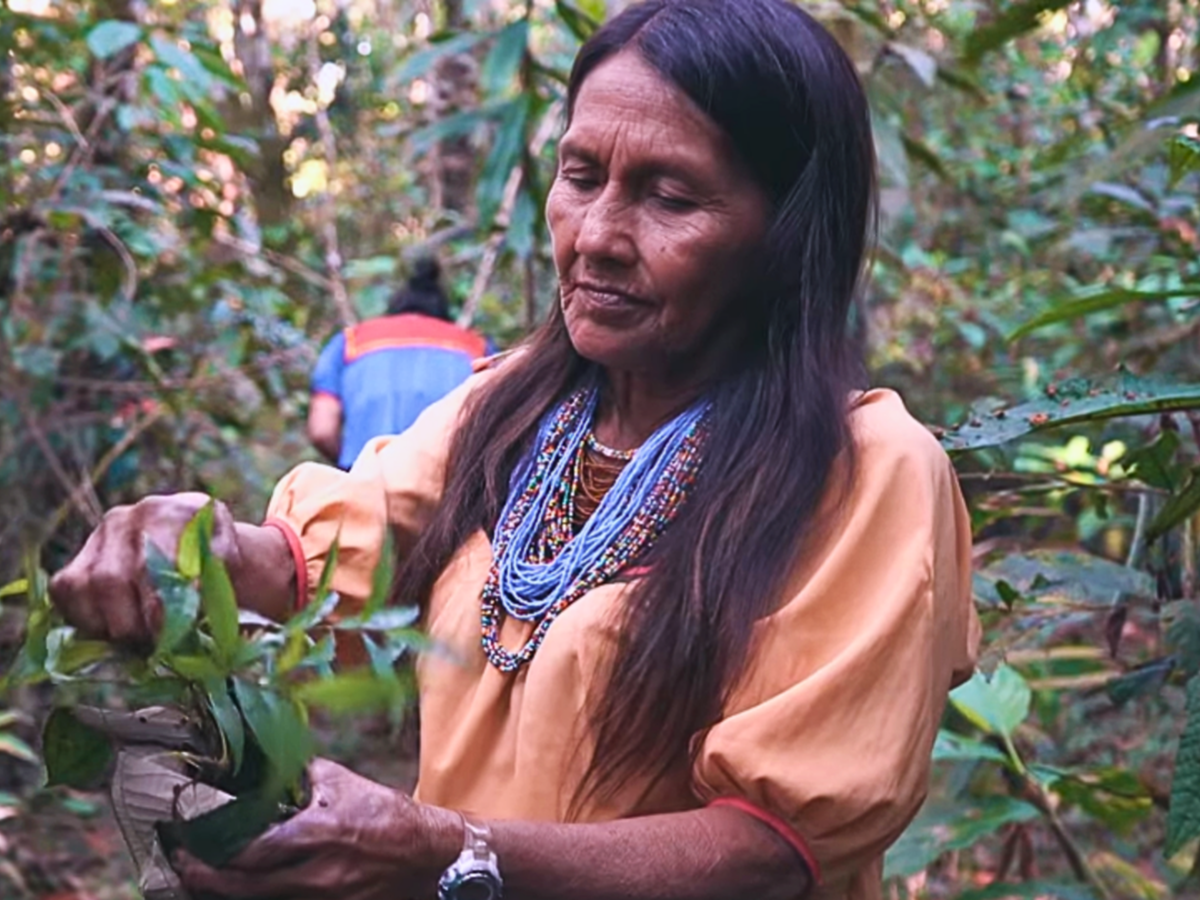
Enable the resilience of Indigenous Peoples and local communities’ living culture. © Resguardo Santa Rosa del Guamuez
Image © Resguardo Santa Rosa del Guamuez
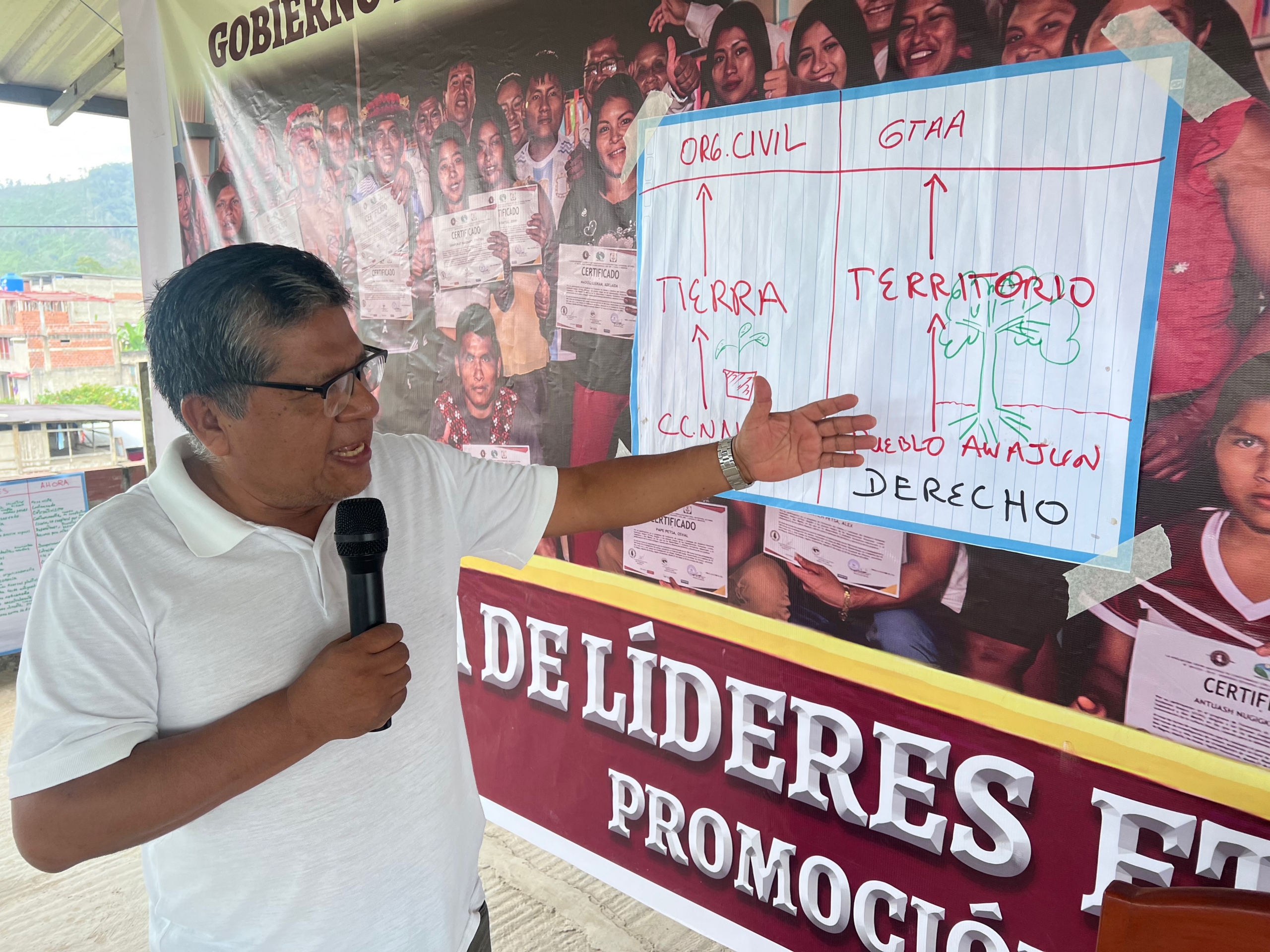
Support Indigenous Peoples and local communities to defend their lands, waters, and territories. © LifeMosaic
Image © LifeMosaic
Goals
1.) Support Indigenous Peoples and local communities to defend their lands, waters, and territories.
2.) Enable the resilience of Indigenous Peoples and local communities’ living culture.
3.) Amplify Indigenous Peoples and local communities’ voices within conservation governance.
Our partners
Through this programme, we support communities to stand together in solidarity, resist threats to their lands and cultures, and unify their voices to protect nature and promote more equitable and effective models of biodiversity conservation.


* Images (L to R): Langscape magazine © Terralingua, Still from Mapping and Monitoring in Indigenous Territories © LifeMosaic, Acampamento Terra Livre (ATL) demonstrators © Grace Souza
Engagement
The presence of diverse Indigenous and local voices in global biodiversity policy is a crucial step to achieving transformative change. Yet for many grassroots groups, access to decision-making spaces remains limited by systemic barriers, from travel costs and language to complex accreditation processes.
It is vital to make conferences more accessible through multilingual coordination and visa support, so partners to focus on conservation action.
Synchronicity Earth’s role in facilitating access to key environmental spaces covers organising challenging logistics (including travel, accommodation, and registration), but also creating meaningful opportunities for partners to participate on their own terms.

(Left) Joao Pankararu – GATC, (right) Jean-Paul Mwassa – ANAPAC RDC
João Pankararu, representing the APIB, (left) speaking on a Indigenous Youth panel at biodiversity COP16 with Jean-Paul Mwassa, representing ANAPAC RDC (right). © GYBN


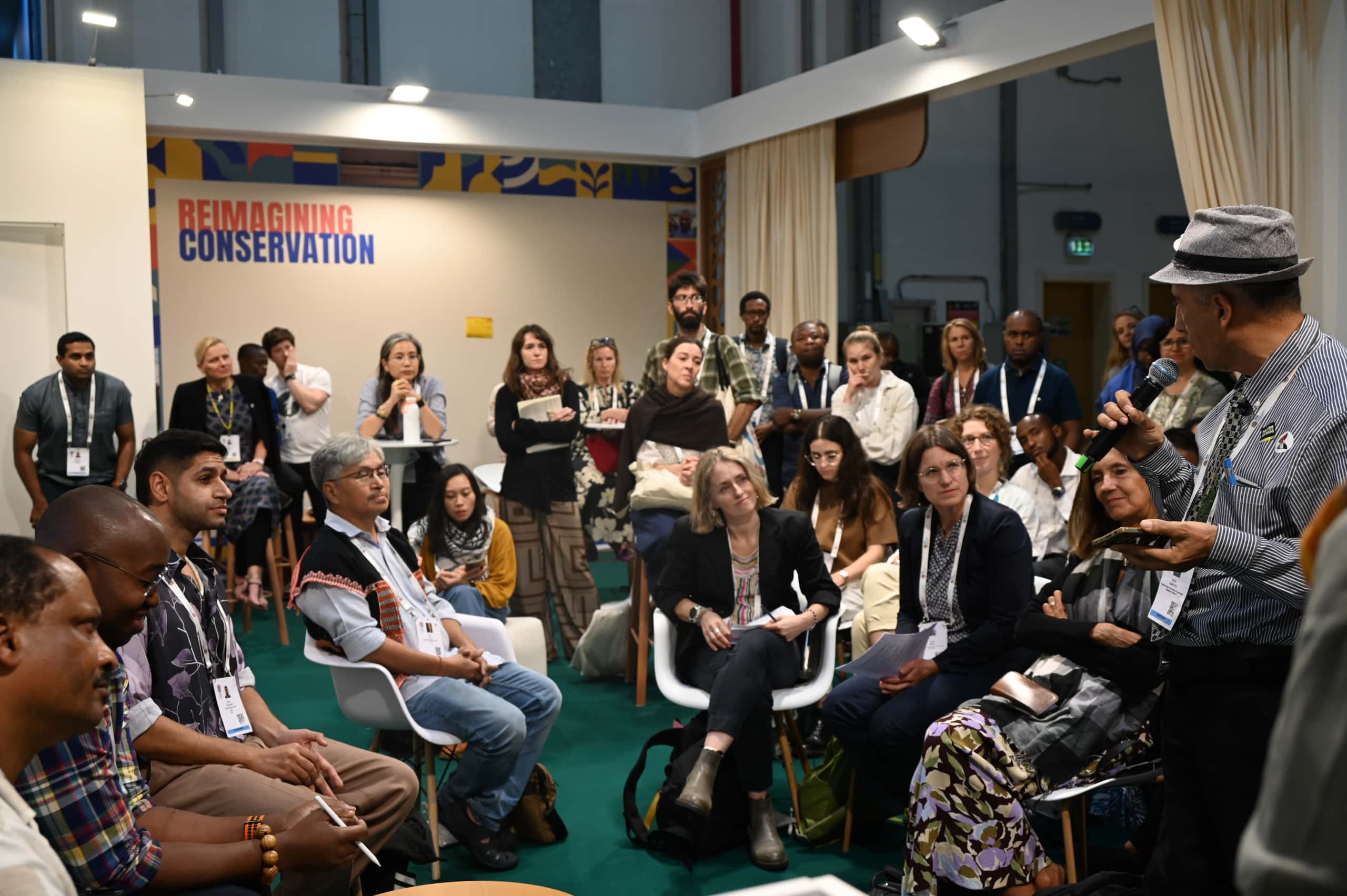
* Images (L to R): Uyunkar Domingo Peas Nampichkai (Amazon Sacred Headwaters Alliance) speaking at COP16 © Synchronicity Earth; Jibi Pulu (Community elder, Idu Mishmi) speaking at an event during the 2025 World Conservation Congress © Geanie Cresswell; and the Reimagining Philanthropy Pavilion © Geanie Cresswell.
“What gives me hope is that we have good allies and, as Indigenous Peoples, we’re building our resilience, raising our visibility, proving ourselves.”
Joan Carling, Indigenous activist, Kankanaey People of the Igorot group, Philippines
Spotlight on a sacred seed
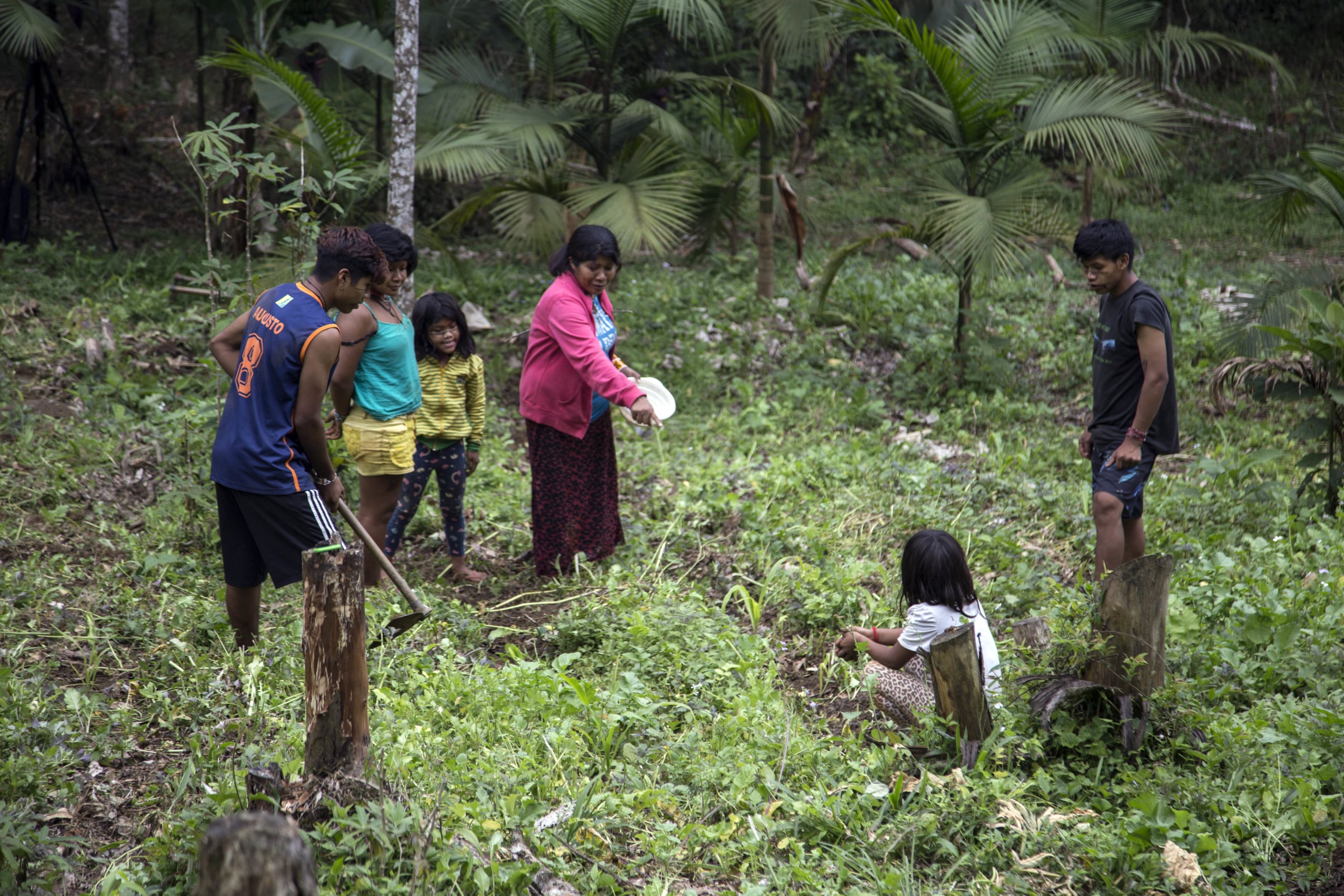
Corn is a sacred food to the Guarani.
In Guarani M’byá spirituality, it is believed that every Guarani household should preserve Avaxi etei seeds (a variety of corn) in their home. Those who plant using these seeds are guided and supported by Nhanderu, the Guarani God who granted the land and empowered them as rightful custodians to cultivate sacred foods.
This means agroecology is not just a means of food production, but an important cultural practice.
However, without having their territories officially recognised, it is harder for Guarani communities to ensure Land to plant their sacred seeds and maintain their biocultural diversity.
Download the Biocultural Diversity Programme overview
Learn more about Synchronicity Earth’s Biocultural Diversity Programme by reading our deep dive on the programme’s strategy, partners, and ambition.

Join the movement for biocultural diversity
Indigenous Peoples and local communities around the world have the skills, experience, and the will to protect and enhance biocultural diversity.
With the right funding and collaborative action, we can get direct support to Indigenous Peoples and local communities to defend their territories and revive the life within them, while building movements and networks to sustain this.
If you would like to discuss the programme in more detail or make a donation, please get in touch.
Stories from the Biocultural Diversity Programme
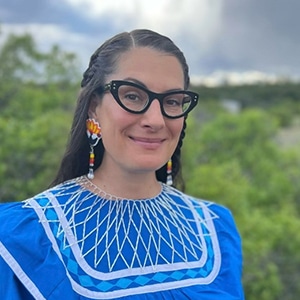
Rights-based philanthropy and a sacred rain cave: Interview with Aimee Roberson
Aimee Roberson is an enrolled member of the Choctaw Nation of Oklahoma and a descendant of the Chickasaw Nation who has (...)
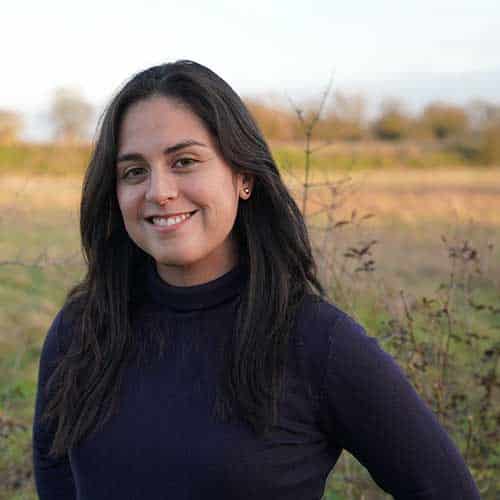
Biocultural Diversity: An interview with Carla Bengoa Rojas
Carla Bengoa Rojas joined Synchronicity Earth as our Biocultural Diversity Programme Manager in 2024. She has collabora (...)
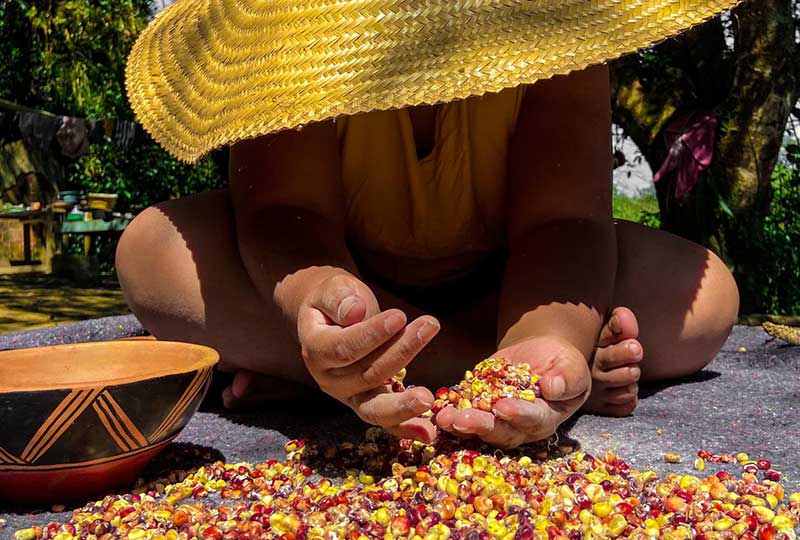
A window into Guarani M’byá food culture
Guarani peoples – native to Brazil, Argentina, Paraguay, Bolivia and Uruguay – were one of the first peoples contact (...)
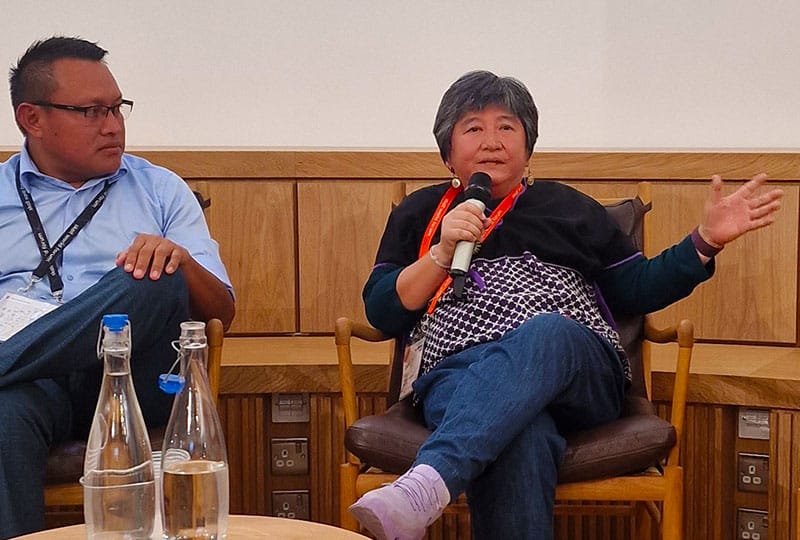
“This is the reality”: What Indigenous leaders need us to hear
If we want to create a liveable future for all beings, it’s vital we listen to Indigenous voices, which too often go u (...)
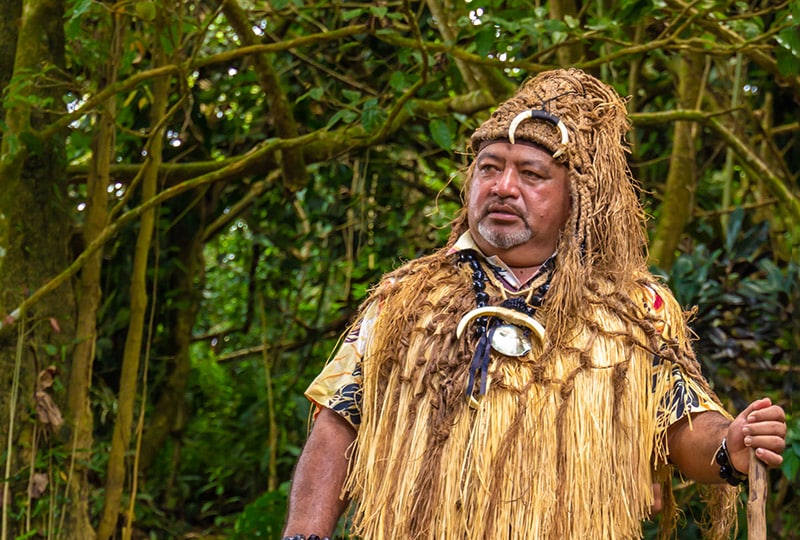
Connecting to the culture of the Cook Islands
The Cook Islands are a group of 15 volcanic islands in the southern Pacific Ocean, making up a self-governing island cou (...)
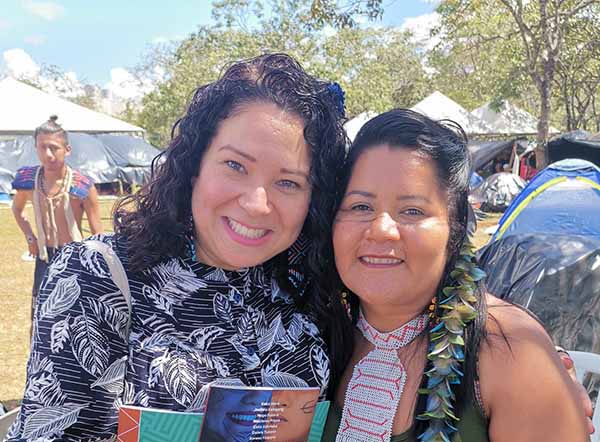
Meet our Latin America affiliate, Grace Iara Souza
Over the past 18 years, Dr Grace Iara Souza has developed a deep understanding of the impacts of global environmental go (...)
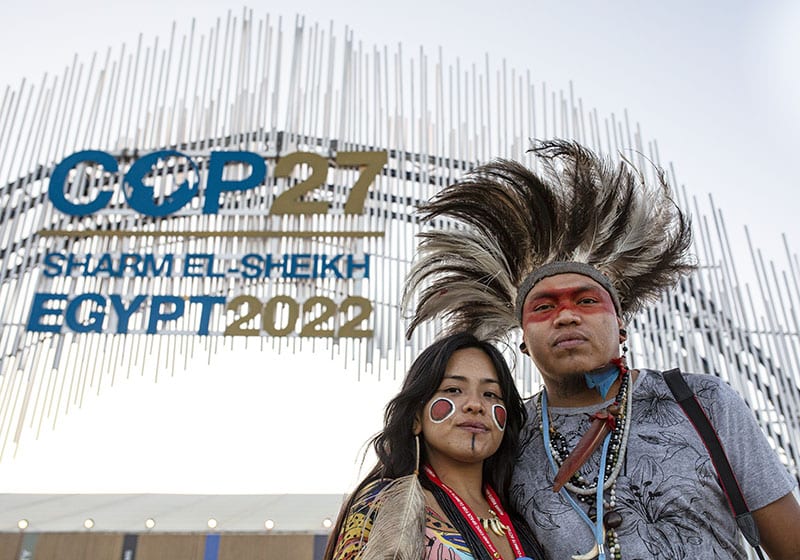
Indigenous youth at COP27: From the village to the world
Clique aqui para ler este artigo no original em português. Most of the media coverage of COP27, held in November 2022 (...)
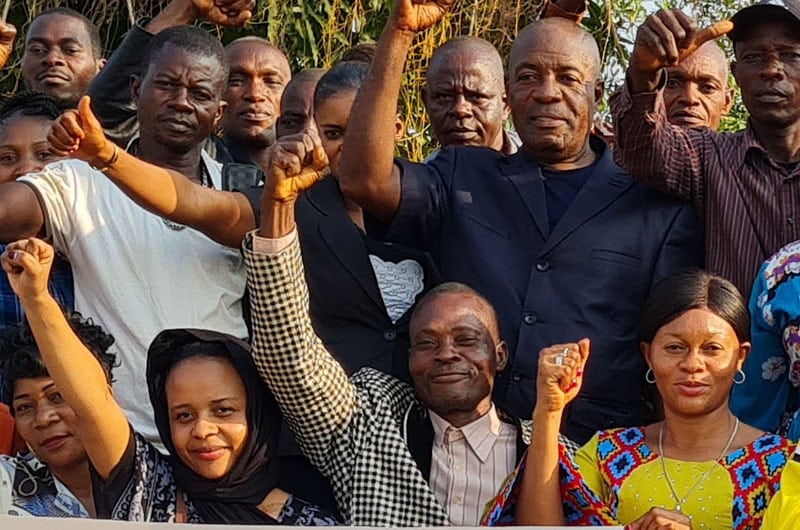
Five success stories from 2022
With the UN Convention on Biological Diversity’s new agreement dominating conservation headlines, it can be easy to (...)
What is agroforestry?
The agroecological systems of farmers, growers, and Indigenous Peoples everywhere have shaped and cared for landscapes f (...)