
At a glance


Mekong Community Institute (MCI)
Established in 2014, the Mekong Community Institute (MCI) is an association that specialises in water resources and river basin management.
MCI's mission highlights three key strategies which include 1) strengthening local conservation and governance mechanisms within local communities, with a particular focus on women and youth, 2) addressing the impacts of climate change faced by communities in the Mekong Basin, and 3) preventing large-scale projects that will negatively impact the ecosystem and communities of the Mekong Basin.
Over the years, MCI has supported some remarkable projects, such as developing capacity and network for the women of the Ing River basin.
With increased environmental threats to the Ing River due to pollution and drought, and a neglect for women-based approaches to problem-solving, women of the Ing River basin are facing increased barriers and challenges to their lives and environments.
MCI addresses these issues and aims to highlight the direct connection of the Ing women to the environment and platform their voices within decision making through capacity building and training.
For example, the 'Empowering Women's Networks for Natural Resource Management in the Ing River Basin' project gave women greater understanding of how to cope with climate change through forest management – and has been supported by numerous institutions, including the Canadian Embassy in Thailand.
By facilitating network conferences and meetings for regional organisations, MCI platforms the women in their fight to address the problems they face and the methods they have developed to cope and elevate growing pressures.
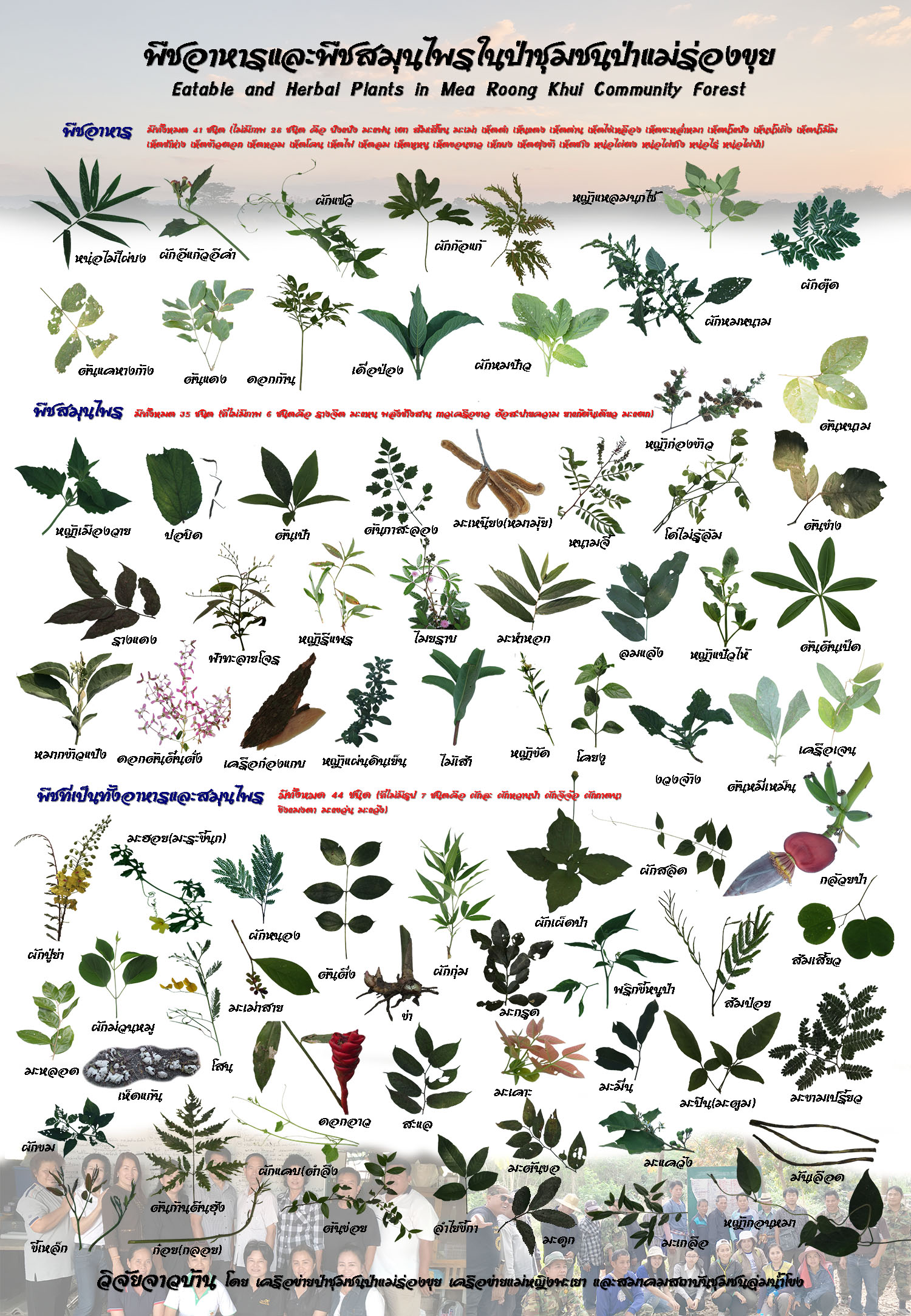
Another element of MCI's work is its Thai Baan research, which is conducted by villagers, based on local knowledge, for the benefit of the local community.
This work originated from research conducted by communities affected by the Pak Mun Dam in the lower Mun River basin, which aimed to use data on the dam's impacts as evidence to counter disputed research conducted by the government.
The research documents local knowledge, and acting as a tool to strengthen communities and preserve natural resources, may range from the systemic management of rice or water and ownership systems for fishing and agriculture, to beliefs around Buddhism, water spirits, or the earth goddess.
To help local organisations share knowledge that will help people coexist sustainably with nature, MCI supports the operating of community learning centres along the Mekong river. The team also collaborate with groups to hold various training sessions and publish community-based research, for example this poster on Food plants and medicinal herbs in the Mae Rong Khui forest .
By helping to strengthen the capacity of locally led conservation organisations across the region, MCI hopes to foster a collaborative and well-resourced network to protect and restore the Mekong River basin, along with communities, ecosystems, and biodiversity.