
At a glance

Reverse the Red (RTR)
Reverse the Red (RTR) brings together a diverse coalition of leading scientists, advocates, and partners to form a global movement that is committed to promoting species conservation and recovery using science-based approaches.
RTR’s goal is to halt species extinction, reverse declines on the International Union for Conservation of Nature’s (IUCN) Red list and restore species populations. In order to achieve this, they highlight the three main gaps needing to be addressed:
- Limited alignment between governing bodies and civil society.
- A lack of clear recovery-focused goals, data, and action.
- The loss of hope and belief in the recovery of threatened species at scale and pace.
RTR’s work to address these gaps, includes mobilising and increasing capacity of national networks, amplifying voices within local communities, and integrating tools and expertise to measure impact. To increase feelings of hope for species recovery, RTR also publishes stories of success, such as the remarkable efforts to halt the construction of a hydropower to prevent the extinction of the Admirable Redbelly Toad and the reintroduction of the Visayan Warty Pig on the island of Negros.
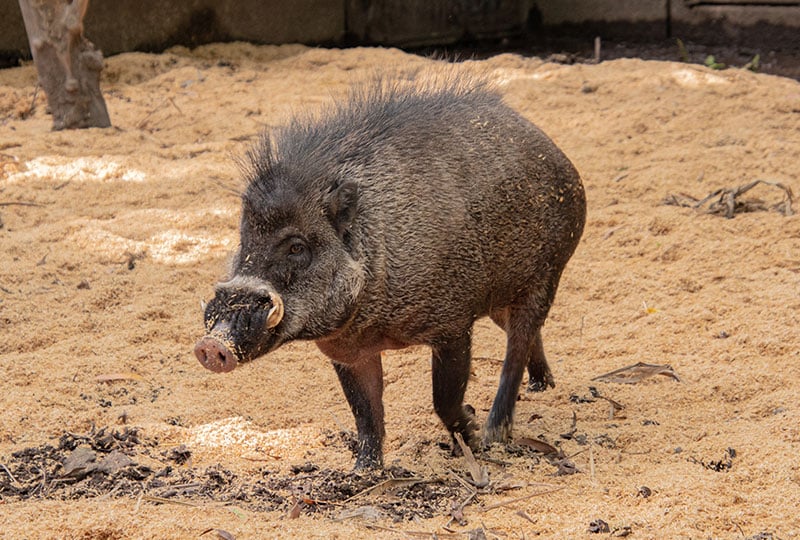
A Visayan warty pig. Image: © Talarak Foundation
Additionally, Reverse the Red day, held on 7th Feb, highlights the work of the conservation community to reverse biodiversity loss, and in 2024 RTR organised the first ever World Species Congress to celebrate examples where the tide is changing positively for species.
From working with governmental bodies to implement conservation measures to supporting grassroot conservation projects, RTR continually drives greater collaboration across the sector to help reverse species loss.