
At a glance

Tapestry Institute
Tapestry Institute facilitates, promotes, and carries out collaborative research, scholarship, and education in different ways of knowing, learning about, and responding to the natural world.
Collaborative teams of Indigenous academics, artists, filmmakers, storytellers, Elders, and healers, with selected ‘Western’ allies who have expertise in particular disciplines, work on projects that enhance the ability of human beings to hear, understand, and learn from the Land, which Tapestry Institute serves. A place of short-grass prairie in northwestern Nebraska, that is part of the traditional homelands of the Arapaho, Cheyenne, and Lakota nations, is Tapestry’s Land partner, and the site on which the core staff works and lives. Nebraska is on Turtle Island, known today as North America.
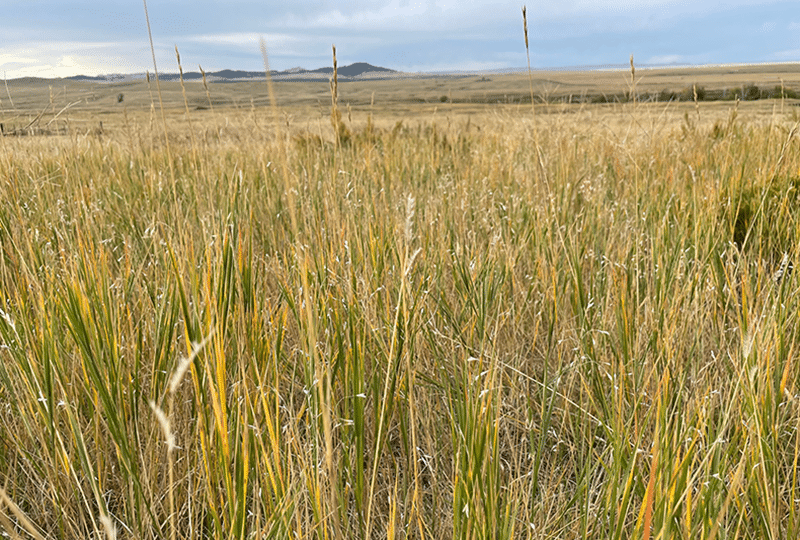
A place of short-grass prairie in northwestern Nebraska, that is part of the traditional homelands of the Arapaho, Cheyenne, and Lakota nations, is Tapestry’s Land partner. Image by Jo L. Belasco, Esq., of Tapestry.
Tapestry Institute’s current on-deck project is the development of IKhana Fund, a Land-based system of support for Indigenous people working to advance Indigenous Knowledge. A pan-Indigenous IKhana Fund planning team has been working together for several years to develop Indigenous Land-based grant protocols for providing financial support without the colonisation that attends most systems of grant application and administration.
The most recent of Tapestry’s original online publications – Standing Our Ground for the Land; Living in Ceremony for the Land; and Living with Community for the Land, as well as the forthcoming Living Our Story for the Land – are products of the IKhana Fund planning team’s work. These papers record the Knowledge that’s emerging from development and implementation of a truly Indigenous Land-based system of grant support for research and other projects that will advance Indigenous Knowledge. As such, these papers are an important record of the team’s collaborative effort to understand how a fundamentally Western process such as grant-making can be re-envisioned within the Land-based learning and value systems of Indigenous Peoples, and thereby decolonised.
These publications also help communicate Indigenous ways of knowing, values, and practices to Western funders in ways that can facilitate collaboration that’s less likely to colonise and compromise the work being supported. These texts of story and explanation offer valuable insights into the profound differences between Indigenous and Western views of knowledge and the ways Indigenous Knowledge can, and cannot, be appropriately shared and commodified.